
In Conversation: Sophie Aldred on The Collection: Season 26 (Blu-ray)
Even the earliest special features on Doctor Who DVDs had pretty decent production values and ambitious intentions, but the range has kept on pushing what can be done within the limitations of a tiny budget, and the documentaries of recent years are really spectacular achievements; in the age of GB News the term ‘broadcast standard’ has lost all meaning, but what we’re getting on the Blu-rays rivals BBC content for slickness. It would be tempting to think there wasn’t much more you could do for the range.
Thankfully, somebody had the bright idea to go back to basics and give us a new series of features that rely not on snazzy green screen, drone shots and snappy editing, but simply on an incisive, well-informed interviewer sitting with somebody integral to the show’s history for an hour. And you don’t get much more incisive or well informed than Matthew Sweet. Combining the rigour of a historian with the affection of a fan, his interviews have wielded brilliant new insights from Doctors, companions, producers and writers; he goes into these interviews clearly having done his homework and keen to chart previously unchartered territory, but the answers he gets are gently nudged out of his subjects, coaxed from them with boyish enthusiasm and subtle prompts. I don’t quite know how Matthew Sweet does it, but if there was a formula to being Matthew Sweet then we’d all be Matthew Sweet and that wouldn’t do at all. Like Michael Parkinson, his skill lies in saying very little and letting his guests do most of the talking.

His interview with Michael Grade on The Collection: Season 22 is perhaps the boldest mission statement to date – to take a person who has long been considered by fans (dismissed by them, even) as a villainous bureaucrat and, brilliantly, to get his take on a vital era of the show (a new perspective on ground already admirably covered, as previously discussed). Grade’s insights are fascinating (if not always persuasive), and it’s probably just as well that even as he refuses to accept that it wasn’t actually him that cancelled Doctor Who, Sweet is too much of a professional to shake him by the lapels1.
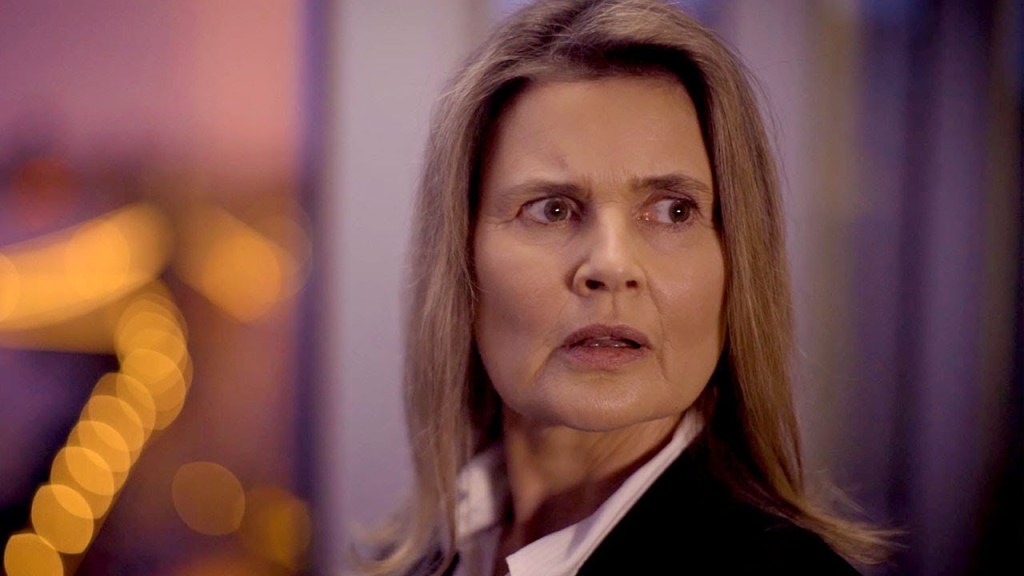
For me, however, the real litmus test was Sophie Aldred. Purely as a consequence of her willingness and devotion to the legacy of Who, Aldred is surely one of the most-interviewed-living-Doctor-Who-people-evs. Certainly for those of us who endured the ‘wilderness years’ (when we were absolutely surrounded by Doctor Who in every medium except actually on the television), Aldred was a constant and reassuring presence, always happy to indulge fans, reminisce, deliver an anecdote. So it’s not out of any lack of love for her that I did wonder if she had any stories left to tell.
The answer is, of course she does, and Matthew Sweet finds an entry point in the brilliant simplicity of asking what her first day of work was like. Aldred casts her mind back, and we’re away; from a vivid recollection of seeing her face in close-up multiplied across a bank of monitors we move backwards to the audition, then Aldred’s work as a freelance actress before Who, and we’re on a twisty, always-engaging journey through the eyes of one of Doctor Who’s most generous personalities.

For all that he lets Aldred tell her story without getting in the way (something that is far harder to do than he makes it look), Matthew Sweet’s presence is also part of the magic. Yes, he has the credibility and expertise of a respected historian, but he also has the confidence to wear his fan colours unapologetically, engagingly representing us viewers: a fan, an enthusiast, a devotee (indeed, he admits in this interview that he was one of the young fans present at Aldred’s first public appearance at a Doctor Who convention, so his personal angle follows the same timeline as Aldred’s involvement with the show). It’s a quality he brings to each of his interviews, regardless of the era of the show under discussion, and every time he uncovers gold. It goes without saying that his interviews with the Doctors are indispensable, but really it’s impossible to single out any of these features (that said, if forced to choose, I’d urge anyone to check out his interview with Nicola Bryant for the mesmerising and occasionally horrifying picture it paints of what-things-used-to-be-like-working-on-the-telly).
The results are pretty much the hallmark feature of The Collection; if you get the Blu-rays for one thing other than the best version of the stories themselves, then it’s these.
Next: “it’s like they’ve given the road a Brazilian…”
- Michael Grade was actually back with Matthew Sweet on the radio only this weekend, giving his ha’p’orth for a lovely programme about The Wilderness Years, and in a brief clip actually saying more than he does on the In Conversation interview with the frankly extraordinary admission that he told John Nathan Turner ‘I don’t like sci fi personally’. He was the Controller of BBC One, for crying out loud – would he have reshaped the channel accordingly if he didn’t like sport, or news? But at least Ben Aaronovitch can now consider his opinion thoroughly vindicated. ↩︎
 Talk To Rex